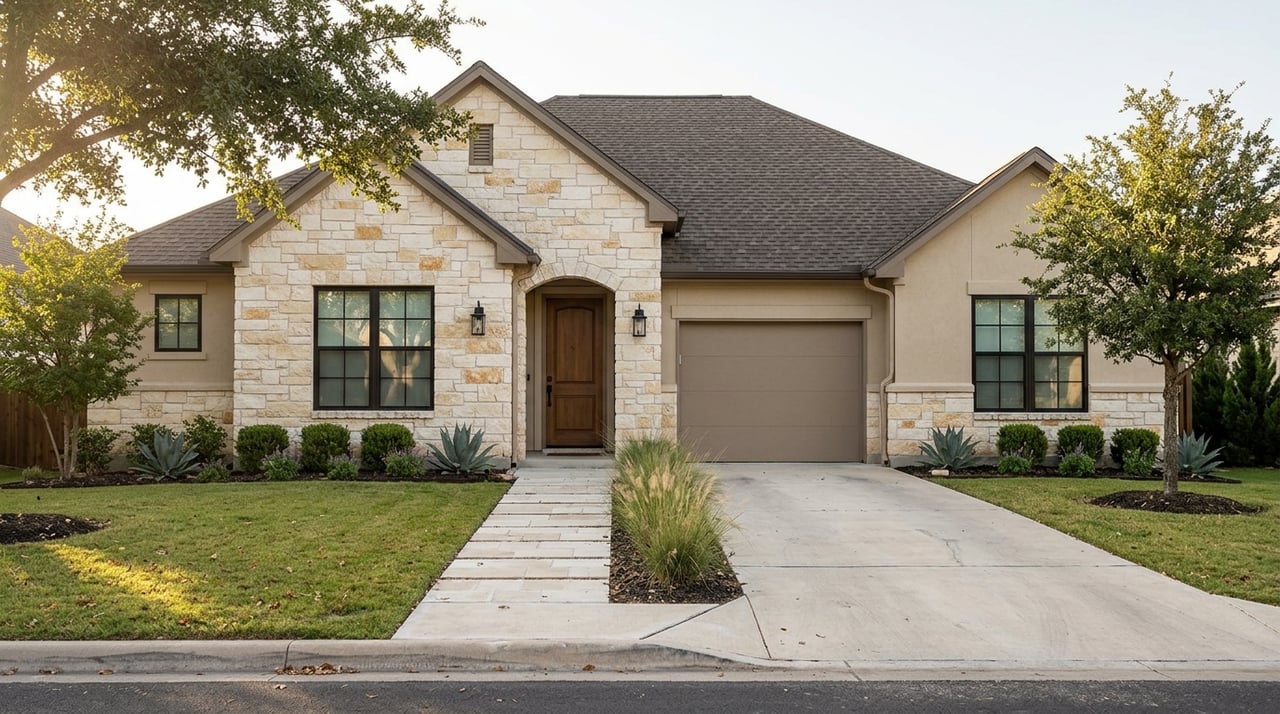
Trying to sell your current home while buying the next one can feel like walking a tightrope. You want the best price for the home you own, but you also need a clear plan for where you’ll live next and when the money will be available. In San Antonio, the good news is that today’s market gives you more options than a fast, chaotic seller’s market would. Let’s look at how to make a dual move with less stress and more control.
Why timing matters in San Antonio
San Antonio entered 2026 in a more balanced market, which changes how you can plan a sell-and-buy move. According to local market reporting, the metro median home price was about $307,000 by April 2026, with about six months of supply and many homes still selling close to original list price.
That matters because a balanced market usually gives you more room to negotiate timing. Instead of rushing into a move just to keep up, you can often explore tools like contingencies, leasebacks, or bridge financing. The right fit depends on your home, your finances, and how quickly your current property is likely to sell.
Start with your risk tolerance
Before you pick a strategy, it helps to ask one simple question: what risk worries you most? For some homeowners, the biggest fear is carrying two house payments at once. For others, it is selling quickly and having nowhere to go for a few weeks.
Your answer shapes the best path. A move-up buyer may focus on protecting monthly cash flow, while a downsizer may care more about flexibility after closing. In both cases, the best plan is usually the one that keeps your timing realistic, not perfect.
Option 1: Sell first, then buy
For many San Antonio homeowners, selling first is the lowest-risk approach. It reduces the chance that you will have to carry two mortgages, which can be especially important while mortgage rates remain higher than many owners’ current loan rates.
This strategy also gives you a clear budget for the next home. Once your current home closes, you know how much equity you can use and what monthly payment feels comfortable.
When selling first makes sense
Selling first may be the best fit if:
- You need proceeds from your current home to fund the next purchase
- You want to avoid double-payment stress
- You are moving up and need to protect your debt-to-income ratio
- You prefer certainty over speed
How a Texas leaseback can help
In Texas, a seller can sometimes stay in the home after closing using the standard seller temporary residential lease. This is often called a leaseback. It can give you time to close your sale, access your proceeds, and then finish the purchase of your next home.
Under the standard Texas form, this leaseback is used when the seller will occupy the property for no more than 90 days after closing. That makes it a practical tool when you need a short transition window, not a long-term housing plan.
Option 2: Buy first, then sell
Buying first can be attractive if you want to move once and settle into the next home before listing your current one. This path can feel easier logistically, especially if you are downsizing from a larger home or trying to coordinate repairs, packing, and vendor work.
The tradeoff is financial risk. If your current home takes longer to sell than expected, you may need to carry two housing payments for a period of time.
When buying first may work
Buying first may be worth considering if:
- You have strong cash reserves
- You have substantial equity
- You can qualify while carrying both properties temporarily
- You want more time to prepare your current home for sale
This can be especially helpful for life-stage moves where the home sale involves sorting belongings, coordinating clean-out vendors, or managing a family transition. Still, the numbers have to work.
Option 3: Use bridge financing
A bridge loan is one of the clearest ways to buy before selling, but it is not a universal solution. It is generally best for households with meaningful equity and strong qualifying income.
A bridge loan can help cover the gap between buying the next home and selling the current one. But it does not remove the need to qualify. Lending guidelines still require documentation showing that you can successfully carry the current home, the new home, the bridge loan, and your other obligations.
Who should look at bridge financing
Bridge financing may be a good conversation to have if:
- You have a lot of equity in your current home
- Your income supports a temporary overlap
- You need to act before your current home closes
- The right next home is available now
Because this option adds complexity, it works best when your timeline, budget, and exit plan are clearly mapped out from the start.
Option 4: Make a contingent offer
A contingent offer lets you pursue your next home while protecting yourself if your current home has not sold yet. In Texas, the standard Addendum for Sale of Other Property by Buyer ties the purchase to your receipt of proceeds from the sale of your current home by a stated deadline.
If that contingency is not satisfied or waived, the contract terminates automatically and earnest money is refunded. That structure can offer meaningful protection when your current sale is moving forward but has not fully closed.
When a contingent offer is smart
In San Antonio’s balanced market, a contingent offer can be more realistic than it would be in a highly competitive market. It may be a strong option if your current home is already under contract or priced in a way that makes a timely sale likely.
There is one important catch. The Texas form also allows the seller to require you to waive the contingency if another offer is accepted. That means a contingency can help, but it does not guarantee you will keep the home if timing slips.
Option 5: Use a back-up contract
Sometimes the best plan is to keep a second path open. In Texas, the Addendum for Back-Up Contract makes a second contract contingent on termination of the first one.
This can be useful if you are a buyer waiting to see whether another deal falls apart, or if you want to stay positioned while your current transaction plays out. It adds flexibility without forcing a full commitment too early.
San Antonio timing is not one-size-fits-all
One of the biggest mistakes you can make is treating all of San Antonio like one market. Local data shows that timing can vary a lot depending on price point, property type, and area.
In Bexar County’s February 2026 report, residential homes averaged about 95 days on market. But townhomes averaged 103 days, and condos averaged 122 days. Single-family homes averaged 94 days.
That difference matters when you are planning two transactions at once. If you own a condo or townhome, your sale timeline may look different from someone selling a detached home in a different part of the county.
Examples from local submarkets
Some areas move much faster than others. In Alamo Heights, the February 2026 report showed a median price of $1.145 million and 35 days on market. In Boerne, the same report showed a median price of $415,000 and 130 days on market.
Those examples show why your strategy should be tailored to your exact situation. A faster-moving home may support a sell-first plan with a leaseback, while a slower-moving home may need more cushion through a contingency or financing strategy.
Best strategies by life stage
The right plan often depends on why you are moving, not just where.
For move-up buyers
If you are buying a larger home, your biggest risk is often carrying two payments while waiting for your current home to sell. In that case, a sell-first strategy or carefully structured contingent offer may give you more protection.
This is especially important in a market where many homeowners still have lower existing mortgage rates. Taking on a new loan at today’s rates without a clear exit plan can add pressure quickly.
For downsizers
If you are downsizing, your biggest risk may be the opposite. Your current home may sell faster than expected, leaving you with a short timeline to move, sort belongings, and close on the next property.
That is where a short leaseback can be especially helpful. It can create breathing room so you do not have to rush one of the biggest transitions of your life.
For estate or transition sales
If the sale is tied to probate, estate coordination, or a major family transition, you may need more time and more moving parts than a standard sale. In these situations, clear sequencing matters even more.
A practical plan may include preparing the home for market first, identifying likely timelines, and then choosing whether to buy after closing or use a short occupancy solution if needed. The goal is not just to close both transactions. It is to do it in a way that feels manageable.
A simple way to choose your path
If you are not sure where to begin, this framework can help:
- Estimate how quickly your current home is likely to sell in your specific area and property type.
- Review how much equity you have available.
- Decide whether you can safely carry two housing payments, even for a short time.
- Consider whether you need sale proceeds before buying.
- Match your comfort level to the strategy that gives you the most control.
For many people, the least stressful plan is to sell first and use a short leaseback if needed. For others, especially those with strong reserves or a time-sensitive purchase, buying first or using a contingency may make sense.
The goal is coordination, not guesswork
Selling and buying at the same time in San Antonio is possible without turning your life upside down. The local market is balanced enough to support several workable strategies, but the best one depends on your home, your finances, and your timeline.
When you have a clear plan, this kind of move becomes much more manageable. You do not need a one-size-fits-all answer. You need a local strategy that fits your next chapter. If you’re ready to map out your move, Joanie Rish can help you build a personalized transition plan with trusted local guidance.
FAQs
What is the least risky way to sell and buy a home at the same time in San Antonio?
- Usually, selling first and using a short Texas leaseback if needed is the lowest-risk option because it reduces the chance of carrying two mortgages at once.
How does a leaseback work for home sellers in Texas?
- The standard Texas seller temporary residential lease allows a seller to stay in the home after closing for up to 90 days.
When should San Antonio homebuyers use a contingent offer?
- A contingent offer can make sense when your current home is already under contract, priced to sell, or likely to close within the deadline set in the contract.
Can you buy a new home before selling your current San Antonio home?
- Yes, but it usually works best if you have enough cash reserves, substantial equity, or financing that allows you to carry both homes temporarily.
Do all San Antonio homes sell on the same timeline?
- No. Local data shows that timing varies by property type, price point, and area, so a condo, suburban single-family home, or Hill Country property may each require a different strategy.
Is bridge financing a good option for San Antonio move-up buyers?
- It can be, especially for households with strong income and substantial equity, but you still need to meet lender qualification standards for the overlapping obligations.