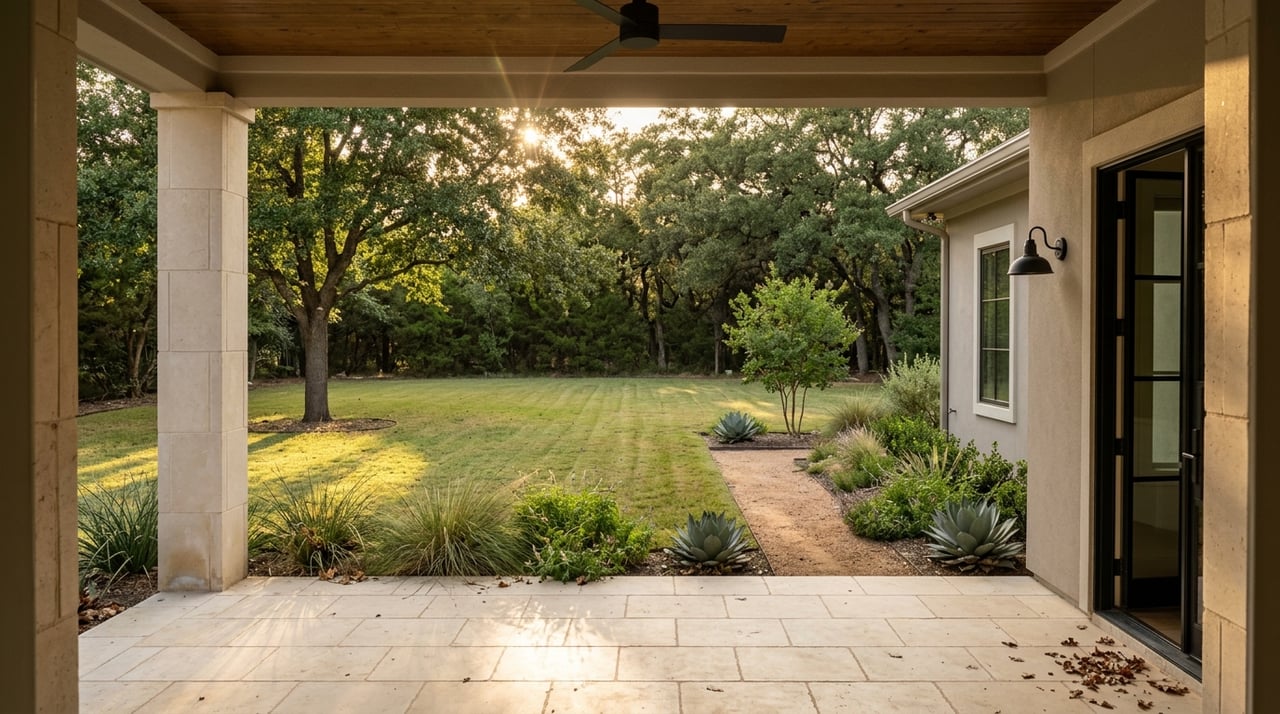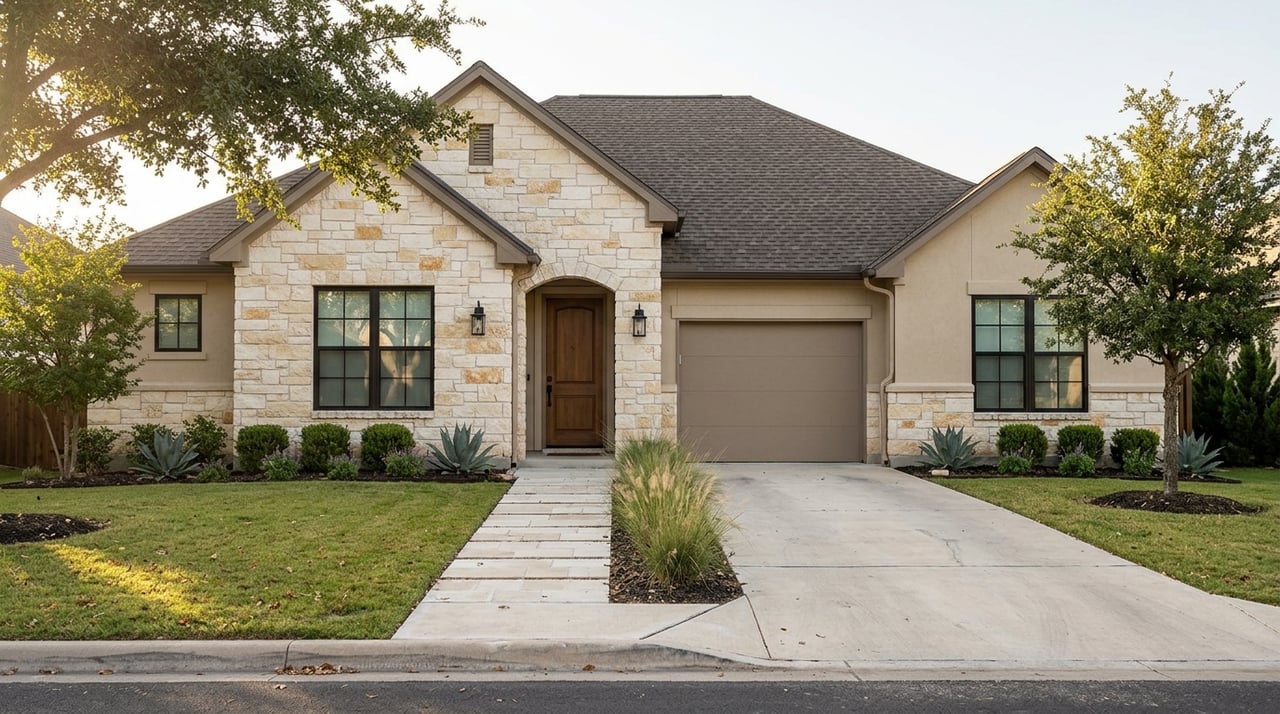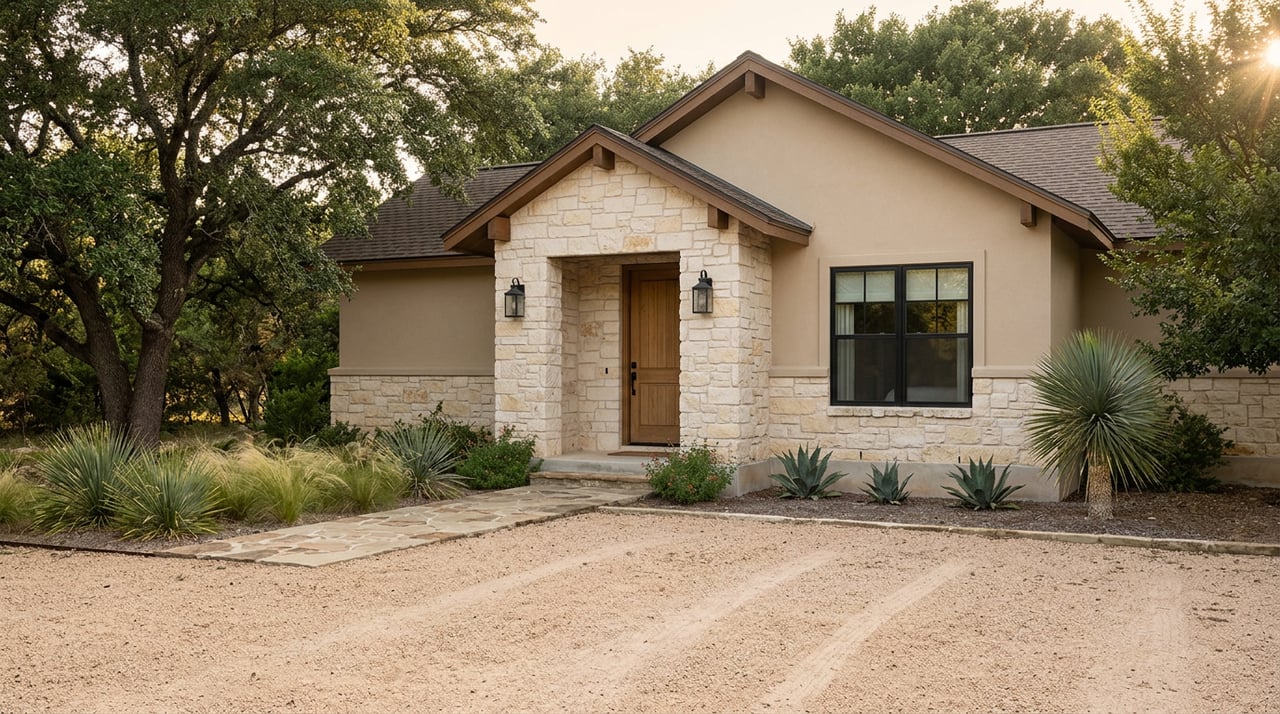
Dreaming of a little elbow room under the big Texas sky? If you are picturing morning coffee on your porch, a few horses or a garden, and downtown San Antonio still within reach, acreage near Bandera may be a great fit. The Hill Country lifestyle is unique, and buying rural land comes with a different checklist than a typical suburban home. In this guide, you will learn what to verify around utilities, access, wells and septic, taxes, and timelines so you can move forward with confidence. Let’s dive in.
Bandera acreage at a glance
Bandera offers a quiet Hill Country pace with rolling limestone hills, live oaks, and starry skies. Many buyers commute to San Antonio or Kerrville for work or services. The driving distance from Bandera to downtown San Antonio is roughly 50 to 55 miles, and an hour on the road is common from town to downtown depending on route and traffic. County residents report a mean commute time around 40 minutes in federal data, which fits what locals experience. See the driving distance from Bandera to San Antonio and U.S. Census commute data for reference.
Acreage and small ranch properties here are typically 5 to 20 acres for single homes, with larger tracts available across the county. Expect metal or stone homes, septic systems, propane for gas appliances where pipeline gas is not available, and electricity from the local co‑op. Some parcels include springs or creeks, while many rely on drilled wells. Regional water bodies, including Medina Lake, have seen significant drought impacts in recent years, so water planning matters. Learn more about regional water considerations from the local irrigation authority’s resource page.
What properties usually include
Most rural listings around Bandera follow a familiar pattern. MLS utility descriptions often show Electric: BEC (Bandera Electric Cooperative), Water: private well or small water system, Sewer: septic, Gas: propane. These setups are common across the Hill Country and support reliable country living when properly planned and maintained.
Lot sizes and layouts vary. In platted subdivisions, lot geometry and road standards follow county rules. If you are considering a tract in a recorded subdivision, it helps to review the county’s subdivision and land development regulations for utility easements, access standards, and water availability requirements. You can find those details in the Bandera County subdivision regulations.
Road access and gates
Many acreage tracts sit along county roads or private roads with gates. Confirm early whether the road to your property is county maintained or private, and whether there is a recorded easement for access. Shared driveways are common in rural settings. The plat and title commitment should show access rights and any maintenance agreements. For standards and recorded-doc references, see the county subdivision regulations.
Utilities to verify first
Rural utilities can make or break a deal. Build these checks into your offer and early due diligence.
Electricity and internet
Bandera Electric Cooperative (BEC) serves most of Bandera County. Ask whether there is an existing meter at the property and if any line extension costs apply for new construction. BEC has deployed fiber internet in parts of its territory, which can be a big win for remote work and streaming. Plan to confirm availability by address. Learn about BEC and its services through the local chamber’s BEC overview, and use this address tool to check BEC Fiber serviceability when you have a specific property in mind.
Water wells and groundwater
Many acreage homes rely on private wells. In Bandera County, the Bandera County River Authority & Groundwater District (BCRAGD) regulates well permitting. Early in escrow, request well permits, historic well logs if available, and schedule a well yield test and lab water quality panel. BCRAGD’s site is your starting point for permits and technical guidance. Visit BCRAGD to understand local requirements.
Septic systems (OSSF)
On-site sewage facilities are regulated by the Texas Commission on Environmental Quality (TCEQ) and local authorities. You will want a licensed site evaluator or inspector to assess the existing system’s condition and capacity. Soil type, rock, and proximity to floodplains can affect design and replacement costs. Review homeowner guidance and permitting basics on TCEQ’s OSSF program page.
Gas and heating
Pipeline natural gas is limited across rural Hill Country tracts. Many homes use propane for cooking and heat. Confirm tank ownership or lease terms and plan for delivery schedules that fit your location.
Emergency services and health care
Parts of the county are served by volunteer fire departments. For ER-level care, residents often go to Kerrville or San Antonio depending on location and urgency. It is wise to map your personal drive times to preferred medical facilities during your home search.
Due diligence must-dos
Buying acreage is as much about the land and infrastructure as it is about the home. Build the following into your inspection window.
Well testing and documentation
- Request the well permit and any available well logs.
- Order a professional flow or yield test and a lab panel for bacteria, nitrates, and total dissolved solids.
- If water quantity or quality is a concern, include a right to terminate or negotiate repairs based on results. Start with BCRAGD for permit and records guidance.
Septic evaluation
- Ask for installation permits and any maintenance records.
- Hire a licensed OSSF inspector or site evaluator to assess function and sizing.
- If the system is old or not performing, price out repair or replacement with your option to renegotiate. TCEQ’s OSSF guidance explains standards and permitting.
Title, survey, and easements
- Order a current survey early. Rural parcels often have access and utility easements that affect use.
- Review the title commitment with your agent and title officer. Look for ingress or egress issues, shared drive obligations, or pipeline or utility easements.
- Ask the title company to confirm any reserved mineral rights in the chain of title and how those might impact future surface use.
- Include a clear survey and title objection period in your contract so you can resolve problems or walk away if needed. The county subdivision regulations can offer context on recorded plats and access standards.
Floodplain and wildfire checks
- Review FEMA flood maps and ask for an elevation certificate if the property is near Medina Lake or a creek.
- Discuss wildfire, wind, and hail exposure with your insurer, since these can change premiums.
- The county’s rules reference floodplain siting, which is useful background when assessing a lot’s buildability. See the county regulations.
Contracts and common timelines
Texas contracts usually include an option period that gives you the unrestricted right to terminate during a short window after the effective date. In many Hill Country transactions, 3 to 10 days is a common range, but this is negotiable. Use that time to complete well, septic, home, pest, and specialty inspections.
For financed purchases, plan on roughly 30 to 45 days to close, depending on appraisal scheduling, underwriting, and title clearance. Rural appraisals can take longer, so it helps to order them promptly. Keep survey and title objection deadlines on your calendar, and build in water, septic, and access contingencies that fit the property.
Taxes, ag valuation, and exemptions
Property taxes on acreage can vary widely based on land use and exemptions. Texas offers a productivity-based agricultural appraisal, often called 1‑d or 1‑d‑1, for qualifying tracts in agricultural use. This can reduce taxes on eligible acreage. The Texas Comptroller explains valuation and exemptions on its property tax overview. Applications and deadlines are handled locally by the Bandera County Appraisal District. Homeowners may also qualify for homestead and over‑65 exemptions that can further reduce taxes. Contact the Bandera County Appraisal District for forms and guidance.
Sample timeline and budget
Use this sample to structure your due diligence on a 30 to 45 day close. Adjust based on market conditions and property complexity.
- Day 0: Contract effective. Pay option fee and earnest money. Immediately schedule home, well, septic, and pest inspections.
- Days 1 to 7: Complete septic site evaluation and inspection, well yield test and lab panel, and WDI/termite check. Gather bids for any needed work. Reference TCEQ’s OSSF guide for standards.
- Days 3 to 14: Review title commitment, order survey, confirm access and easements, and raise any survey or title objections within deadlines. See the county regulations for context on plats and access.
- Days 7 to 30: Lender appraisal and underwriting. Resolve appraisal questions, finalize loan conditions.
- Closing week: Arrange utility transfers, confirm permits and compliance items, and contact the appraisal district about exemptions you plan to claim after closing.
Budget examples can vary by acreage, terrain, and system type:
- Home and septic inspections: from several hundred to low thousands each based on scope.
- Well yield test plus lab panel: several hundred to low thousands depending on tests and travel.
- Septic replacement if needed: often 10,000 to 25,000 or more depending on system type and rocky soils. TCEQ’s maintenance pages outline system types and care.
Final thoughts
Buying acreage near Bandera is about matching your lifestyle with the land and its infrastructure. When you verify wells, septic, access, title, and internet early, you avoid surprises and set yourself up for smooth country living. If you want a calm, organized path from first showing to closing, tap into local, boots-on-the-ground support. Joanie Rish can help you plan inspections, coordinate vendors, and negotiate the right protections so your move to the Hill Country feels as good as it looks.
FAQs
How far is Bandera from San Antonio for daily commuting?
- Expect roughly 50 to 55 miles to downtown and about an hour from town to downtown depending on route and traffic. See the Bandera to San Antonio driving distance and county-level Census commute data for context.
What internet options are common on acreage near Bandera?
- Options vary by address. Parts of the county have BEC Fiber, while others use satellite or fixed wireless. Confirm by address using this BEC Fiber serviceability check and ask the listing agent about current service.
What should I test on a Bandera property with a private well?
- Verify the permit and well log if available, run a professional yield or flow test, and order lab testing for bacteria, nitrates, and TDS. Start with BCRAGD for permits and local rules.
How does the Texas option period work for rural purchases?
- The option period is a negotiated window, often 3 to 10 days, where you can terminate for any reason. Use it to complete well, septic, home, and pest inspections, plus order surveys and review title.
What is 1‑d/1‑d‑1 agricultural appraisal, and who handles it in Bandera?
- It is a productivity-based valuation that can lower taxes on qualifying agricultural land. The Texas Comptroller explains it in the property tax overview, and the Bandera County Appraisal District administers applications and deadlines.
Who maintains private roads and gates in rural subdivisions?
- It depends on recorded documents. Many roads are private with shared maintenance. Confirm access rights and responsibilities through the survey, title commitment, and the county subdivision regulations.